
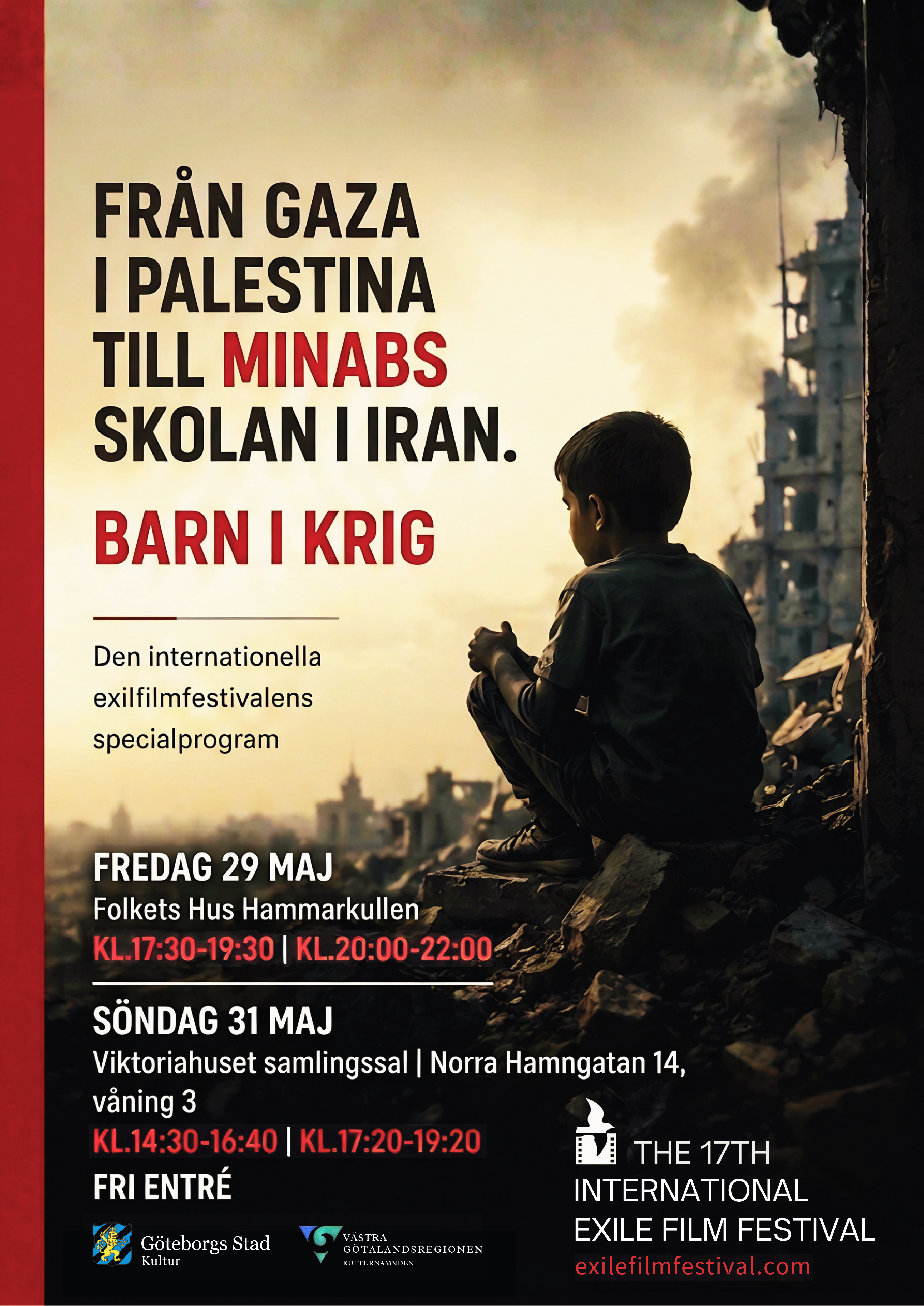
From Gaza in Palestine to the Minab School in Iran
Children in War
Special Program of the International Exile Film Festival
In our time, capital moves freely across borders. Exploitation recognizes no nations. And killing, too, has become borderless. The world continues to be built upon power, fear, and violence — and at the center of this world stand the children: the most vulnerable among us, yet also those who carry within them the possibility of the future.
Long before our era learned to speak of peace, the seeds of violence had already been planted in human history. From one generation to the next, children’s bodies have become battlefields for the wars of the powerful. In our own time, we see this most clearly in Gaza, where children’s lives are reduced to numbers in news headlines. But the shadow of violence does not end there. It stretches across borders and seas, reaching even the Shajareh Tayyebeh primary school in the city of Minab in southern Iran.
On February 28, children — girls and boys — sat in their classrooms with pens in their hands and dreams of the future in their hearts. They read words, wrote sentences, perhaps laughed together with one another.
At 10:23 a.m., the first cruise missile, launched by American forces with the support of Israeli forces, struck the school. Seconds later came the second missile, and moments after that, the third — over the shattered school and the bodies of slaughtered children. In a matter of moments, the children’s world was transformed into dust, fire, and silence.
While this massacre unfolded, the modern world remained focused on the fluctuations of stock markets and the anxieties of global finance — the pulse of capital itself. At the same time, mothers desperately searched through the ruins of the school for fragments of their children’s bodies and the last traces of their lives.
And the world fell silent.
This program is an attempt to understand and break that silence. It is about the children of war and their place in a world shaped by violence, where the interests of capital and exploitation are protected through destruction and the exercise of power.
It asks us to see the children whose lives have been shattered by war, and to question what becomes of a humanity that grows accustomed to their deaths. What grows within a child’s heart when it is shaped by the sound of bombs and by the endless cycle of violence and hatred continually reproduced in this post-apocalyptic age?
What future awaits a world that allows this to continue?
The films presented in this program reflect the responsibility of filmmakers toward our time, toward the post-apocalyptic world in which we live, and toward future generations.
Silence can be broken.
Hossein Mahini
Exile Film Festival artistic directors
Friday 29 May
5:30 PM – 7:50 PM
Folkets Hus Hammarkullen
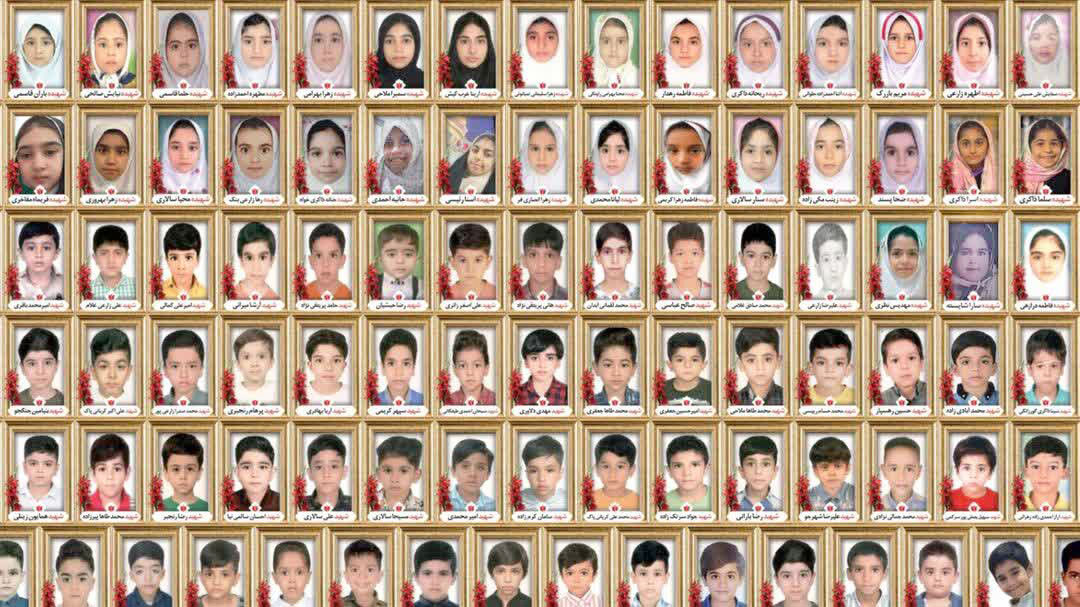
Minab’s Children’s School – Scattered Monographs
2026 | Iran | Documentary
Language: Persian, English subtitles | 20 min.
The systematic massacre of defenseless people, especially children, in Gaza – Palestine, a massacre that continues before the eyes of the world. The world has seen, still sees, remains silent — and the silence continues. The cycle of violence and killing directed at innocent people and children in Gaza – Palestine has now also reached Iran…
…At 10:30 on Saturday morning, February 28, children between the ages of seven and thirteen were sitting in their classrooms at Shajariya Tayyiba Elementary School in Minab, a small town in southern Iran. Boys and girls filled the school with laughter, voices, and the sound of their dreams for the future.
Suddenly, the silence is shattered. Cruise missiles are launched by American forces, supported by Israel, striking the school. Seconds later, another explosion follows. Then a third.
Within moments, the school is transformed into a place of death and devastation. According to the account, 155 children were killed together with 23 teachers and family members. The world watches the catastrophe unfold — yet the silence remains.
Minab holds no strategic military position or particular political status. It is a town of ordinary people — workers, families, and children — people whose daily lives revolve around work, safety, and survival. Minab was bombed solely to create fear among the civilian population.
These simple recordings, captured through basic cameras as testimonies, seek not only to portray tragedy, but also to raise questions about responsibility, humanity, and the world’s silence in the face of the suffering of innocent civilians.
A powerful contemporary experience and deeply disturbing footage.
Sunday, May 31
2:30 PM – 2:50 PM
Viktoriahuset Assembly Hall
Norra Hamngatan 14, 3rd floor
Minab’s Children’s School – Scattered Monographs
Friday 29 May
5:30 PM – 7:30 PM
Folkets Hus Hammarkullen
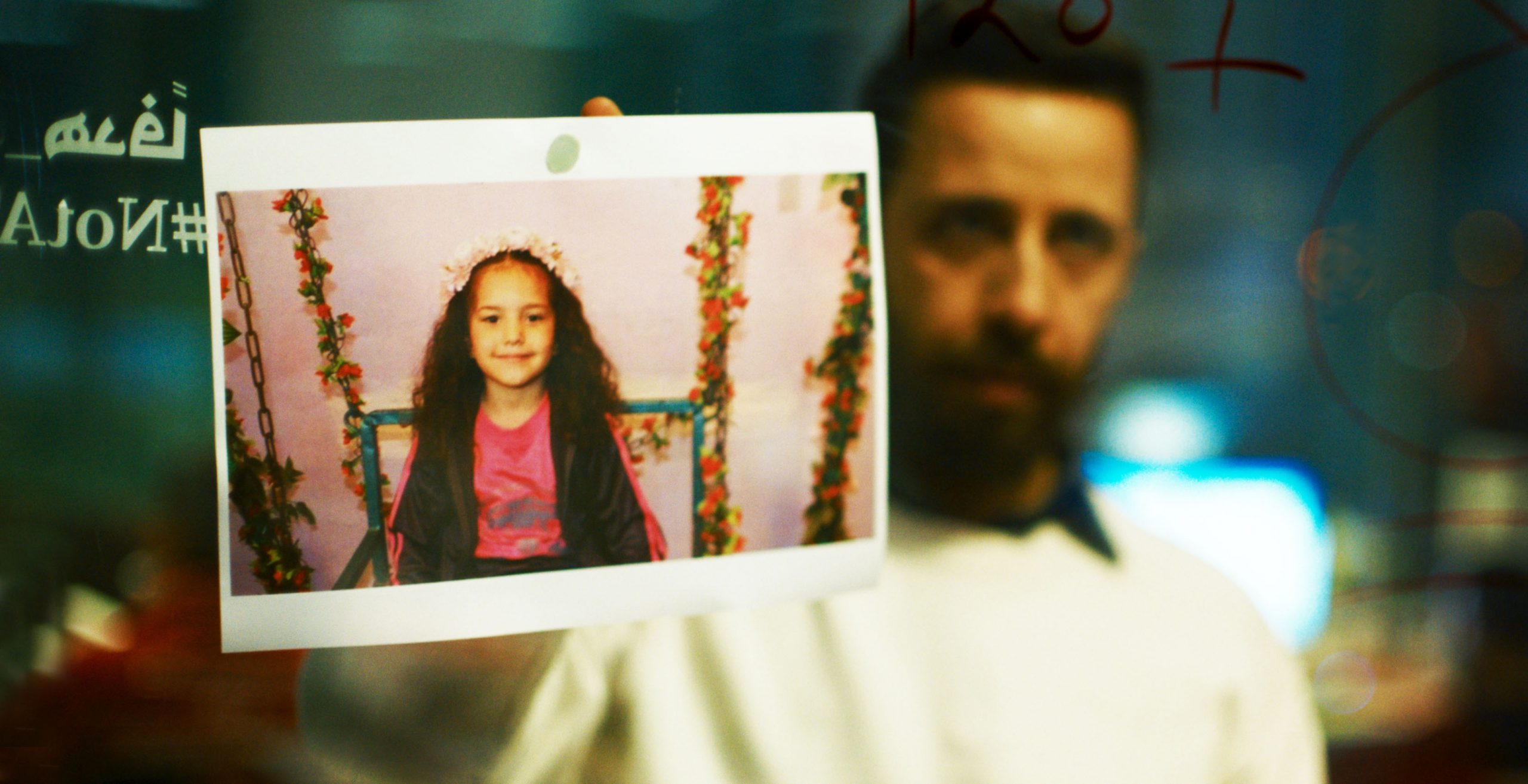
The Voice of Hind Rajab
2025 | Tunisia | Docudrama
Languages: Arabic, English, Swedish text | 89 min.
Director: Kaouther Ben Hania
Red Crescent volunteers receive an emergency call. A 6-year-old girl is trapped in a car under IDF fire in Gaza, pleading for rescue. While trying to keep her on the line, they do everything they can to get an ambulance to her.
• 2025 Venice Film Festival, Nominee Golden Lion: Best Film
• 2025 Venice Film Festival, Winner Silver Lion – Grand Jury Prize
• 2025 Venice Film Festival, Winner Best Film in Competition
• 2025 Venice Film Festival, Winner CICT-UNESCO Enrico Fulchignoni Award
• 2025 Venice Film Festival, Winner Croce Rossa Italiana Award
• 2025 Ghent International Film Festival: Winner Grand Prix: Best Film
• 2025 Chicago International Film Festival: Nominee Gold Hugo: Best Feature
• 2025 Chicago International Film Festival: Winner Silver Hugo: Jury Prize
• 2026 Nominee Oscar: Best International Feature Film
• 2026 Nominee BAFTA Film Award: Best Film Not in the English Language
• 2026 Nominee European Film Award: European Film
• 2026 German Camera Award, Nominee: Best Cinematography – Cinema Feature
Friday 29 May
8:00 PM – 10:00 PM
Folkets Hus Hammarkullen
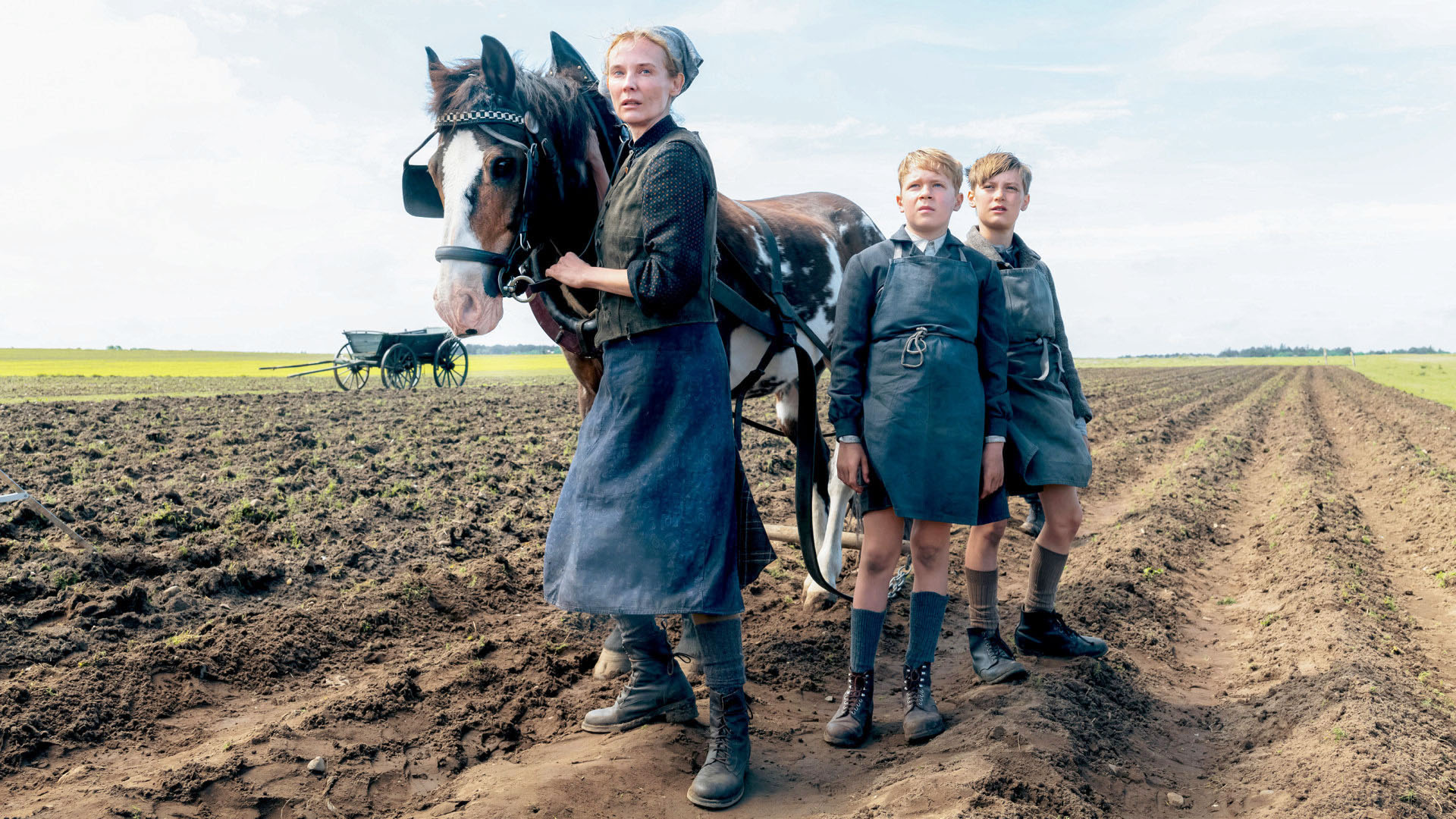
Amrum
2025 | Germany | Fiction
Language: German, Swedish text | 93 min.
Director: Fatih Akin
In 1945 Amrum Island, 12-year-old Nanning hunts seals, fishes at night, and farms to help feed his family. Life feels idyllic on this windswept isle until peace reveals an unexpected danger closer to home.
Amrum Island, Spring 1945. In the final days of the war, 12-year-old Nanning braves the treacherous sea to hunt seals, goes fishing at night, and works the nearby farm to help his mother feed the family. Despite the hardship, life on the beautiful, windswept island almost feels like paradise. But when peace finally comes, it reveals a deeper threat: the enemy is far closer than he imagined.
• 2026 Bavarian Film Awards, Winner Best Film
• 2026 American Society of Cinematographers, USA, Nominee Spotlight Award
• 2026 German Film Awards, Nominee Film Award in Gold – Best Cinematography
• 2026 German Film Awards, Nominee Film Award in Gold – Best Film Music
Sunday, May 31
2:30 PM – 4:40 PM
Viktoriahuset Assembly Hall
Norra Hamngatan 14, 3rd floor
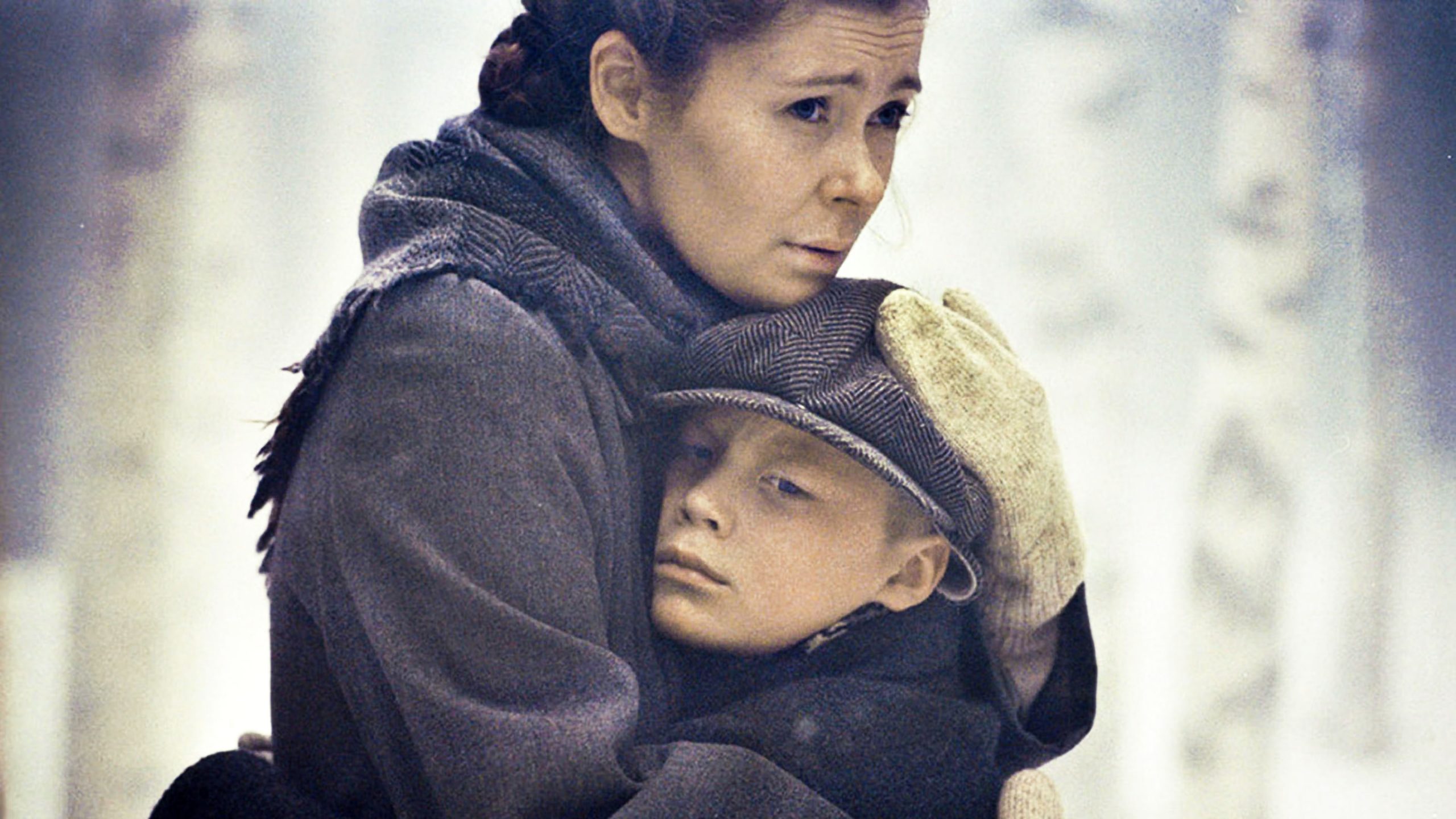
Mother of Mine
2005 | Finland, Sweden | Fiction
Languages: Finnish, Swedish, Swedish text | 111 min.
Director: Klaus Härö
During World War II, over 70,000 Finnish children were evacuated to Sweden to escape the conflict. The film depicts the 9-year-old Finnish boy Eero who is sent as a war child to Sweden. How Eero is torn between two countries and two mothers; Swedish Signe and Finnish Kirsti. Eero feels more and more abandoned by his biological Finnish mother and not particularly attached to his new surrogate mother, which creates a feeling of alienation and sadness.
Through a frame story in the present, we also experience how Eero, at the age of 60, finally talks to his old mother Kirsti about the memories from his years as a war child, and how he reconciles with his fate.
It is a strong reminder of how war affects individuals and families, and it invites the audience to watch a deep and moving story of love and loss.
• 2005 Cairo International Film Festival, Winner Golden Pyramid
• 2005 Cairo International Film Festival, Winner Best Actress
• 2006 European Film Awards Winner: European Composer
• 2006 Guldbagge Awards Winner Best Actress
• 2006 Guldbagge Awards Winner Best Supporting Actor
Sunday, May 31
5:20 PM – 7:20 PM
Viktoriahuset Assembly Hall
Norra Hamngatan 14, 3rd floor
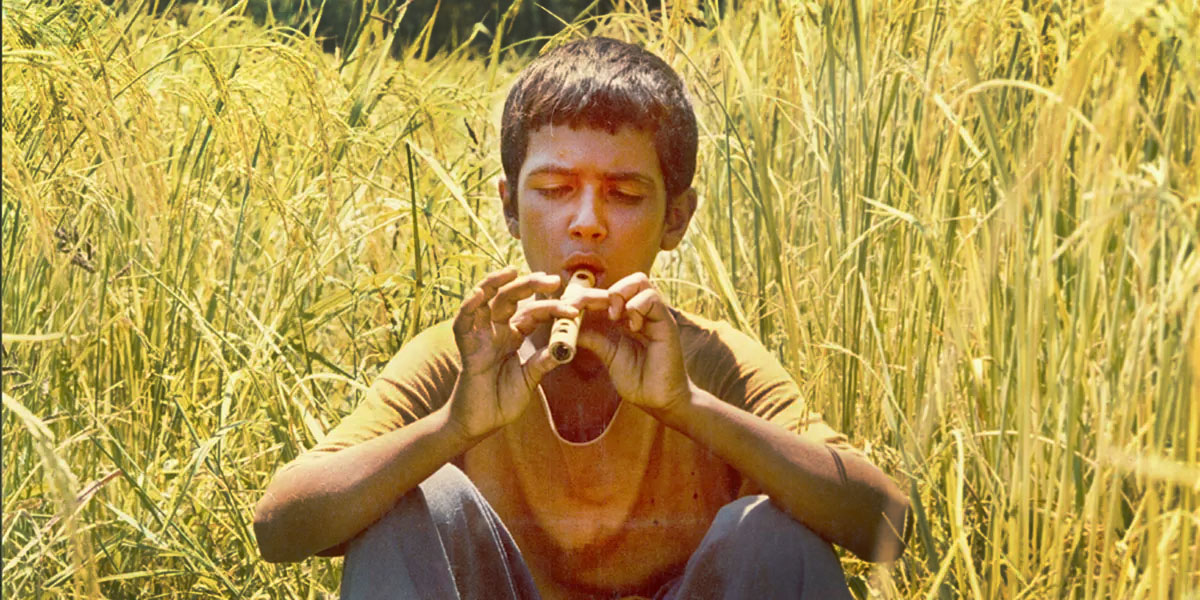
Bashu, the Little Stranger
1989 | Iran | Fiction
Languages: Persian, Arabic, English text | 120 min.
Director: Bahram Beyzaie
It is 1987, in the midst of the Iran-Iraq War, and the young boy Bashu, alone from southern Iran, gets lost after fleeing home for his life; his family has been killed during the war. Scared, he sneaks into a truck that leaves the area and arrives in the northern part of the country, a remote village, where everything from the landscape to the language is different. Unable to speak the local language and ostracized as a little stranger.
He meets Naii, who is trying to raise her two young children on a farm, while her husband is away. Despite cultural differences and the fact that they do not speak the same language, Bashu and Naii slowly form a strong bond.
This film is one of the most important anti-war films in Iran and was made at a time when the religious government considered war to be a divine blessing and promoted it.
This film was banned in Iran for several years.
• 1990, Aubervilliers International Film Festival for Art and Experience in France, winner of the award for best film
• 1991 International Adana Film Festival – Turkey, Jury Special Prize
• 1992 Belgian Professional Critics Honorary Diploma for Best Film
• 2025 Venice International Film Festival, Won the award for best retouched film from the classic section